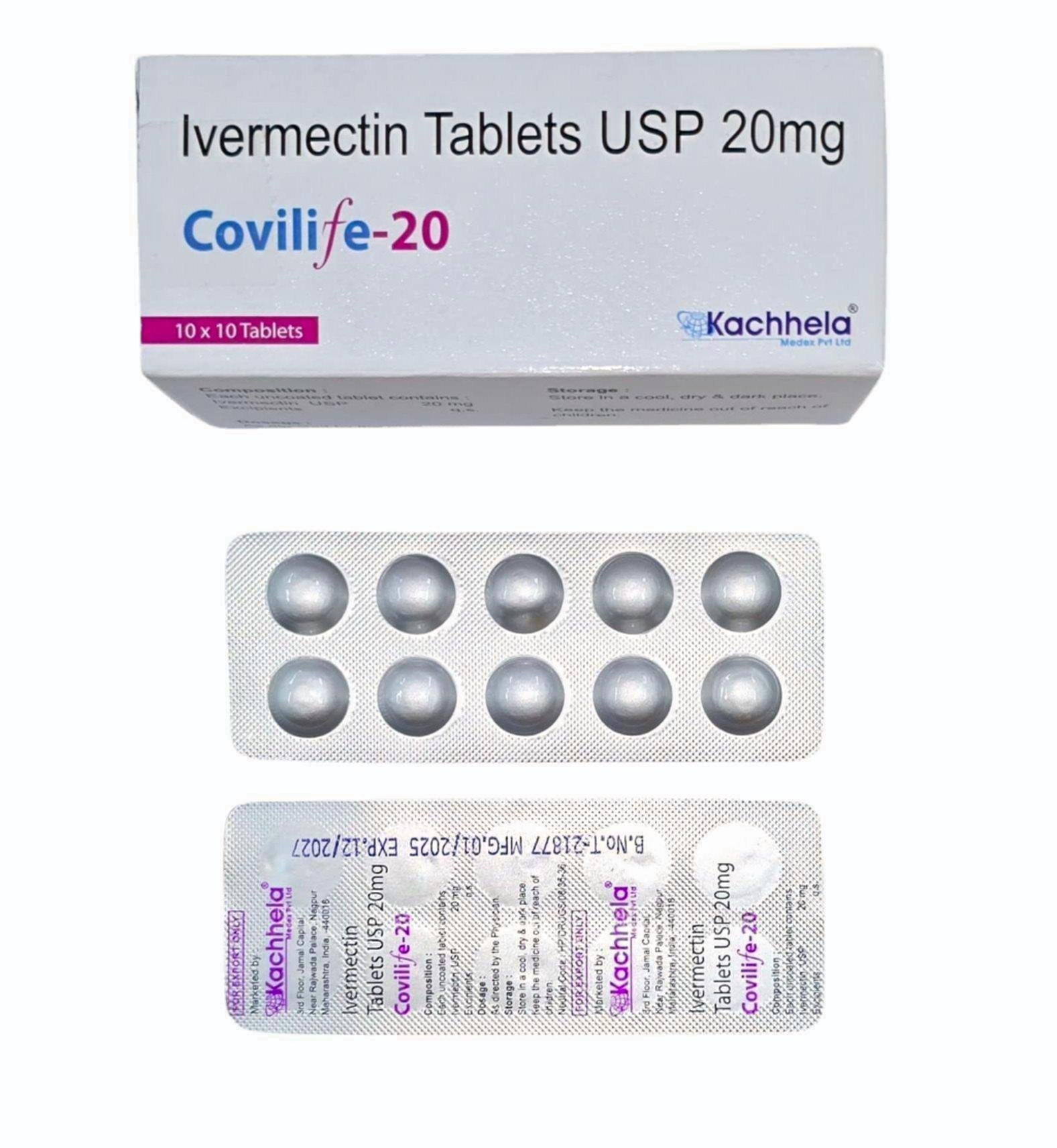
| Generic Name: | Ivermectin 20Mg |
| indication: | Antiparasitic Medication |
| Manufacturer Name: | Healing Pharma |
| Form: | Tablet |
| Strength: | 20MG |
| Packaging: | 10 Tablet In 1 Strip |
| delivery-time: | 6 To 15 days |
Ivermectin 20 mg: Uses, Benefits, Safety, and What You Should Know
Ivermectin is a well‑known medication that has been used in human medicine for decades. While it is often discussed online with mixed information, ivermectin has specific, evidence‑based uses when prescribed by a qualified healthcare professional. This article provides a clear, responsible overview of ivermectin 20 mg, focusing on its role in human health, how it works, approved uses, safety considerations, and common misconceptions.
What Is Ivermectin?
Ivermectin is an antiparasitic medication originally developed in the late 1970s. It belongs to a class of drugs called avermectins, which are effective against a range of parasites. Since its introduction, ivermectin has been used worldwide and has played a major role in controlling certain neglected tropical diseases.
The medication is available in different strengths, including 20 mg tablets, but the exact dose and duration must always be determined by a doctor, based on a person’s age, weight, medical condition, and type of infection.
Approved Uses of Ivermectin in Humans
Ivermectin is approved in many countries for treating specific parasitic infections in humans. These include:
1. Strongyloidiasis (Intestinal Threadworms)
This is a parasitic infection caused by Strongyloides stercoralis. Ivermectin helps eliminate the parasite by disrupting its nervous system, leading to paralysis and death of the parasite.
2. Onchocerciasis (River Blindness)
Ivermectin is widely used in global health programs to control onchocerciasis, a disease caused by Onchocerca volvulus. Regular treatment has significantly reduced blindness and disability in affected regions.
3. Scabies
Scabies is a skin condition caused by mites that burrow into the skin, leading to intense itching and rashes. In some cases—especially severe or crusted scabies—oral ivermectin may be prescribed when topical treatments are not sufficient.
4. Head Lice (In Certain Situations)
When standard treatments fail, ivermectin may be considered under medical supervision for resistant cases of head lice.
These uses are supported by clinical research and long‑standing medical practice.
How Ivermectin Works
Ivermectin works by interfering with the nerve and muscle function of parasites. It binds to specific channels in the parasite’s nervous system, causing paralysis and death. Importantly, these channels are not present in the same way in humans, which is why ivermectin can be used safely when taken as prescribed.
However, safety depends heavily on proper dosing and medical supervision.
Understanding “Ivermectin 20 mg”
The mention of “20 mg” refers to the tablet strength, not a universal dose. This is a critical distinction.
- The correct amount of ivermectin varies by condition
- Body weight plays a major role
- One person’s prescription may be unsafe for another
Taking ivermectin without medical guidance—especially at higher strengths—can increase the risk of side effects and complications.
Safety and Side Effects
When prescribed correctly, ivermectin is generally well tolerated. However, like all medications, it can cause side effects.
Common Side Effects
- Nausea
- Dizziness
- Fatigue
- Mild skin rash
- Headache
Less Common but Serious Effects
- Allergic reactions
- Low blood pressure
- Confusion or neurological symptoms
- Worsening of symptoms due to parasite die‑off reactions
People with liver disease, certain neurological conditions, or those taking interacting medications should use extra caution.
Who Should Not Use Ivermectin Without Careful Medical Review?
Ivermectin may not be appropriate for everyone. A healthcare provider should be consulted if a person:
- Is pregnant or breastfeeding
- Has liver problems
- Has a weakened immune system
- Is taking medications that affect the nervous system
Children and teenagers should never take ivermectin unless it is explicitly prescribed by a qualified medical professional.
Ivermectin and Online Misinformation
In recent years, ivermectin has been widely discussed online for uses that are not medically approved. This has led to confusion and, in some cases, unsafe use.
It is important to understand:
- Not all claimed uses are supported by scientific evidence
- Animal formulations are not safe for humans
- Self‑medication can be dangerous
Medical authorities emphasize that ivermectin should only be used for approved conditions under professional supervision.
Prescription vs. Self‑Medication
Ivermectin is a prescription medication in many countries. This is because:
- Incorrect dosing can cause harm
- Side effects may require monitoring
- Drug interactions must be evaluated
Using ivermectin without a prescription or medical guidance can lead to serious health risks.
Why Medical Supervision Matters
A doctor does more than just prescribe a pill. They:
- Confirm the correct diagnosis
- Choose the appropriate treatment
- Adjust dosage safely
- Monitor for side effects
This level of care is essential for medications like ivermectin.
Responsible Use and Public Health Impact
When used correctly, ivermectin has had a positive global health impact, particularly in reducing parasitic diseases in underserved regions. Its success comes from controlled, evidence‑based use, not from unsupervised or experimental use.
Responsible use protects both individual health and public trust in effective medicines.
Final Thoughts
Ivermectin 20 mg is a powerful and valuable medication when used appropriately for approved human conditions. It has helped millions of people worldwide when prescribed and monitored by healthcare professionals. However, strength alone does not determine safety—proper medical guidance does.
If you believe you may need ivermectin, the safest and most effective step is to consult a licensed healthcare provider. Accurate information, professional care, and responsible use are the keys to benefiting from any medication.
Ivermectin 20 mg reference table:
| Condition / Use | Typical Form | General Adult Guidance* | Children / Age Consideration* | Notes & Warnings |
|---|---|---|---|---|
| Strongyloidiasis (intestinal threadworms) | Oral tablet | Usually weight-based; not a fixed 20 mg per adult | Not generally recommended for very young children; dose depends on weight | Taken on an empty stomach; medical supervision required |
| Onchocerciasis (river blindness) | Oral tablet | Often given once or every 6–12 months in endemic areas | Children over a certain weight (e.g., 15–30 kg) may receive lower, weight-based dose | Monitoring for reactions due to dying parasites is important |
| Scabies (severe / crusted) | Oral tablet | Sometimes given as single or multiple doses under supervision | Only for older children under medical guidance; dose based on weight | Usually combined with topical therapy; doctor monitors for side effects |
| Head Lice (resistant cases) | Oral tablet | Single dose, may be repeated in 7–14 days | Only for children above specific weight threshold (varies by country) | Not first-line treatment; only if topical therapy fails |
| Safety Notes | — | Avoid if pregnant, breastfeeding, or with liver disease without doctor approval | Use only under pediatric supervision | Drug interactions possible; never use animal formulations |